One Year of Home Workouts vs. Gym Membership: Full Cost and Results Comparison
I've logged full years of both. Here's the complete ledger — money, hours, attendance, results — and the answer that embarrassed my gym membership: the deciding column isn't dollars.
Not medical advice. I'm a regular guy sharing what worked for me — not a doctor, trainer, or dietitian. Full disclaimer

On this page5 sections
This site has priced the home setup and priced the gym tiers, but I've never put them in the same ledger and closed the books — a full year of each, all costs counted including the ones nobody counts, results compared honestly. I'm unusually qualified to run this comparison for one dumb reason: I've done both, repeatedly, with logs. Multiple full home years, multiple full gym years across two tiers, and the notebooks to check my memory against.
The answer up front, because I hate suspense in accounting: for a beginner-to-intermediate guy, the first-year results difference is small enough to be noise, the cost difference is large, and the deciding column turns out to be neither of those — it's attendance, and attendance has a clear winner that surprised me. Ledger's below. As always: costs are August-through-October 2026 US prices consistent with the earlier articles, and your local numbers will wobble.
The money column
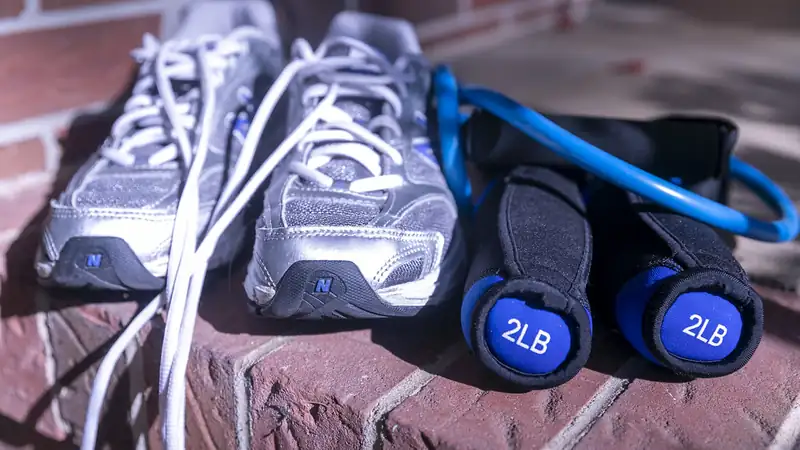
The home year. The $150 starter kit — adjustable dumbbells, bands, doorway pull-up bar, jump rope — is the entire required spend. My honest year-one additions: a $20 pair of rubber mats and, around month eight, a second, heavier pair of used dumbbells for $45 when the progression ladder ran out. Call it $215 for year one — and roughly $0 for year two, which is the home gym's quiet superpower: it's a purchase, not a subscription. (The bands-vs-dumbbells-vs-barbell math covers why the upgrade path from here is measured in years, not months.)
The gym year. From the tier breakdown, with the fine print included: a budget chain at $15/month is really $230–260/year once the annual fee and startup fee land. The mid-tier club I once held ran about $575 all-in. My current strength gym: about $700. To the membership, add the line nobody audits — the commute. My old gym was a 14-minute drive; call it 30 minutes round trip, times three sessions a week, times 50 weeks: 75 hours a year, nearly two full work-weeks, spent transporting a body to the place where the workout could begin. Plus roughly $100–150 of gas and parking at 2026 prices. The membership card is the visible price; the driving is the real one.
The attendance column (the one that decides)
Here's where my logs got opinionated. Same guy, same three-day template, same appointment-and-no-makeup scheduling rules, full years of each mode:
Run the division and it lands harder: my ~$700 strength-gym year at 76% attendance priced out to about $6.20 per workout actually completed. The $215 home year at 90%: about $1.60 per completed workout, once — then pennies forever after. If cost-per-workout-that-actually-happened is the metric — and I'd argue it's the only honest one — home wins by a landslide that the sticker prices only hint at.
The results column (honest, both directions)
Now the part where I have to be fair to the gym, because the attendance column makes this look like a rout and it isn't.
Where the year looked the same: for the first year-plus of a normal guy's training, the results driver is consistency at progressively harder work — and my strength progress, measurements, and general condition across comparable home and gym years were, per the notebooks, near-identical. The federal guidelines are agnostic on venue for good reason: two-plus strength days and regular aerobic work care nothing about the room they happen in. Nobody's first-year gains require a lat pulldown tower.
Where home genuinely wins: attendance, as documented; cost, obviously; time, by 75 hours a year; and beginner psychology — every rep of the awkward first months happens unwatched, which defuses the whole gym-anxiety tax before it's levied.
The hybrid year (what I actually run now)
For completeness, the ledger I currently live: both. The strength gym gets two visits a week for the barbell work my garage can't host; the garage covers one dumbbell session plus every fallback — the sick-kid mornings, the compressed lunch sessions, the weeks when the calendar detonates. Total cost: the $700 membership plus a home setup long since amortized to zero, and an attendance rate that finally matches my best home years at gym-year loads, because every gym miss downgrades to a garage session instead of a zero. That's the real function of the home corner once a gym enters the picture: it stops being the gym's competitor and becomes its insurance policy. Would I recommend the hybrid to a beginner? No — it's a year-three answer to a year-three problem, and it only works because each half covers a specific, logged weakness of the other. But it's worth naming because the internet frames home-versus-gym as a religious war, and the boring truth from my notebooks is that they're just two prices for the same product, purchasable in combination once you know exactly what you're buying.
The verdict table
| Column | Home year | Gym year |
|---|---|---|
| Dollars, year one | ~$215 | ~$360–830 by tier |
| Dollars, year two | ~$0 | Same again, forever |
| Commute hours | 0 | ~75 |
| My attendance | 88–92% | 74–81% |
| Cost per completed workout | ~$1.60, then pennies | ~$3–6+ |
| First-year results | Effectively tied — consistency decided everything | |
| Ceiling, year 3+ | Needs investment to keep up | Wins — the iron's already there |
Keep reading

Bands vs. Dumbbells vs. Barbell
I own all three. Ranked by dollars, square feet, and what you can still be progressing on a year from now, the answer is less obvious than the gym-culture one.
The $150 Home Gym
Four purchases, about $150 total, and you can run a real strength program in a spare bedroom. Here's the itemized list and what to skip.

Running Shoes, Lifting Shoes, Cross-Trainers
After wearing out a closet's worth of shoes doing everything wrong first, here's what each type actually does and where the price stops mattering.