Hydration Without the Gallon-Jug Cult: What Guidelines Actually Say
The gallon jug is a lifestyle accessory, not a guideline. Here's what the reference intake actually says, what counts toward it (coffee does), and the few times thirst genuinely needs help.
Not medical advice. I'm a regular guy sharing what worked for me — not a doctor, trainer, or dietitian. Full disclaimer
On this page5 sections
Somewhere in the last decade, water acquired a fandom. The gallon jug with motivational timestamps. The emotional-support tumbler the size of a fire extinguisher. The guy at work who announces his ounces like quarterly earnings. And underneath the merchandise, a widely believed folk rule — eight glasses minimum, a gallon if you're serious, and the ambient suggestion that most of us are walking around quietly desiccated and that every headache, mood, and stalled lift is dehydration wearing a disguise.
I fell for a mild version of this — there was a tracked-ounces phase, there was a jug — so this article is the one I should have read first: what the actual reference numbers say, what counts toward them (more than you think), the honest short list of situations where thirst needs backup, and what I do now, which costs nothing and involves no timestamps. Usual lane note: I'm not a doctor; this is me reading the official sources and reporting my own boring routine. Anyone with a condition that affects fluid balance, or whose doctor has them on any kind of fluid guidance, should follow that and not a blog.
The actual numbers, and what "counts"
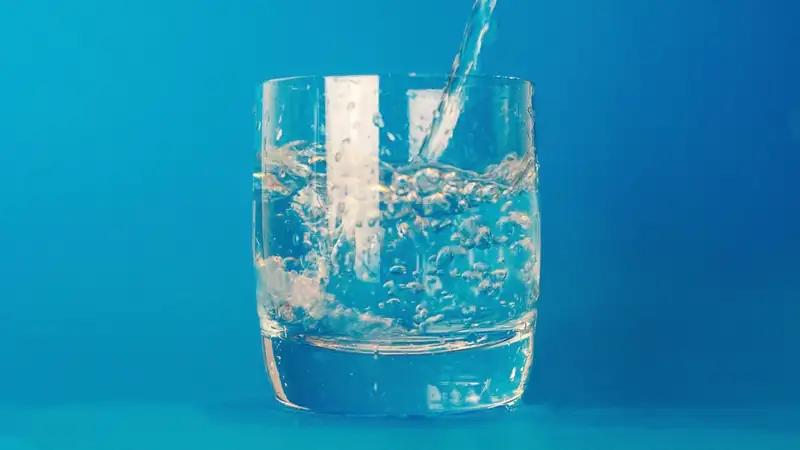
The reference figures come from the National Academies' Dietary Reference Intakes, and the NIH's MedlinePlus summary states them plainly: 91 to 125 fluid ounces (2.7 to 3.7 liters) of water per day for adults — with two clauses the jug crowd never quotes. First, that's total water from all sources, food included. Second, the same page's practical guidance is almost anticlimactic: if you drink fluids when thirsty and have beverages with meals, you'll generally get what you need.
Read those clauses again, because together they dissolve most of the cult:
Coffee counts. Tea counts. Milk counts, soup counts, the water in fruit and last night's chili counts — food alone typically covers a meaningful slice of the total. By the time a normal guy has had morning coffee, water with three meals, and something with dinner, he's within range without a single tracked ounce. The famous "8×8" rule (64 oz of plain water) was never a scientific finding — it's folklore that got laminated — and the gallon standard is folklore with a merchandising budget.
And no, coffee doesn't "not count." The mild diuretic effect of normal caffeine doses doesn't cancel the fluid; regular coffee drinkers net positive hydration from their cups. The morning mug is on the books.
The short list where thirst needs backup
The "drink when thirsty" default has real exceptions, and they're specific rather than vibes-based:
Long or sweaty sessions generally. A 40-minute garage session needs nothing elaborate — water before and after covers it. It's the 90-minute August yard-work marathons and long summer hikes where I've genuinely underspent and paid for it in a headachy evening. The fix was earlier water, not a product; the sports-drink aisle is solving problems most guys' Tuesday workouts don't have.
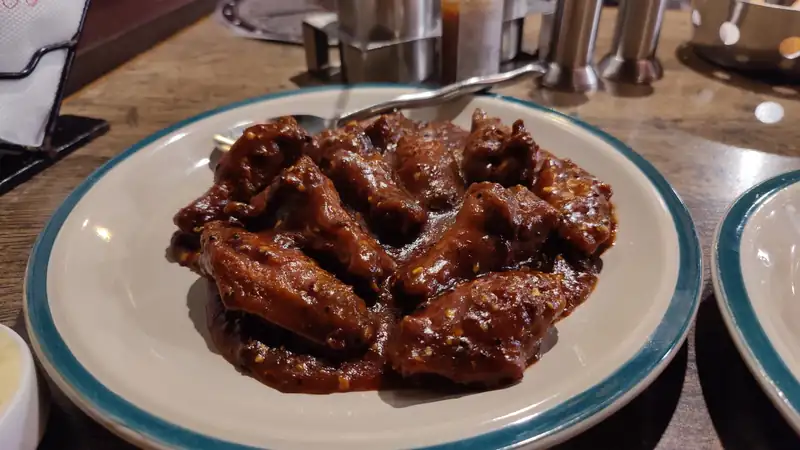
The beer asterisk. Alcohol is the one common beverage that works against you, which regular readers already know from the wings-night playbook: water between rounds isn't a purity ritual, it's the cheapest possible insurance on tomorrow morning.
The field checks that replaced my tracking app
What I actually monitor now, which is to say, barely anything: thirst, taken seriously — when it speaks, I answer with water instead of judging it; and the low-tech color check on the way out of the bathroom — pale straw means carry on, apple juice means drink some water. That second one is a field heuristic every coach and military manual has used forever, not a lab instrument; it's confounded by vitamins and some foods, and it's a rough gauge, which is exactly the resolution this decision needs. A third informal one: if I've had zero water by mid-afternoon on a desk day, that's usually not superior hydration, it's a day that got away from me — the fix is a glass, not a spreadsheet.
That's the whole apparatus. No ounces, no app, no jug. My actual routine, stated as routine: a big glass when I wake up (mostly because I like it), coffee unapologetically on the ledger, water with every meal by default — the same default-stacking trick as everything else in my food system — and the bottle out during training, promoted to scheduled sips in the hot months. On an average day that's probably 70–90 oz of beverages before food's contribution, comfortably in range, achieved by a man who could not tell you his ounce count under oath.
The training-day math, roughly
Why I'm bothering to debunk something harmless
Fair question — if a guy enjoys his gallon jug, who cares? Two honest reasons. First, the cult inverts the difficulty of fitness: it takes the single easiest input (drink when thirsty, have water with meals) and dresses it up as a discipline project, which spends attention and willpower that the actually-hard things — showing up in week three, sleep, the grocery store — badly need. Every tracked ounce is a small withdrawal from a limited compliance budget, spent on a solved problem. Second, the overcorrection isn't perfectly free: chugging genuinely extreme volumes of plain water in short windows to hit an arbitrary number is a real (if rare) way to get in trouble, and "more is automatically better" is precisely the kind of reasoning this site exists to push back on. The guidelines describe a range and a mechanism that mostly runs itself. Trust the mechanism, help it out in the heat, and spend the saved attention on a habit that can't regulate itself — of which fitness offers an endless supply.
The bottom line, jug-free: 91–125 oz of total water a day for adult men per the reference intake, all beverages and food included, with thirst and mealtime defaults doing the bookkeeping — plus scheduled help in exactly one common situation, which is heat. Everything beyond that is either a medical instruction from someone licensed to give it, or merchandise.
Keep reading
The Beer-and-Wings Problem
The wings never wrecked anybody's week. The story you tell yourself on Sunday morning does. Here's the ledger math and the five-rule playbook I actually use.
Meal Prep for One
Meal prep for one fails because of boredom, not effort. Here's the one-hour component version, with the real receipt — about $39 for a week of lunches and dinner bases.
12 Default Meals
The problem isn't willpower at 6:45 p.m. — it's having no default answer. Twelve meals, most under $4 a serving, all under 20 minutes.